
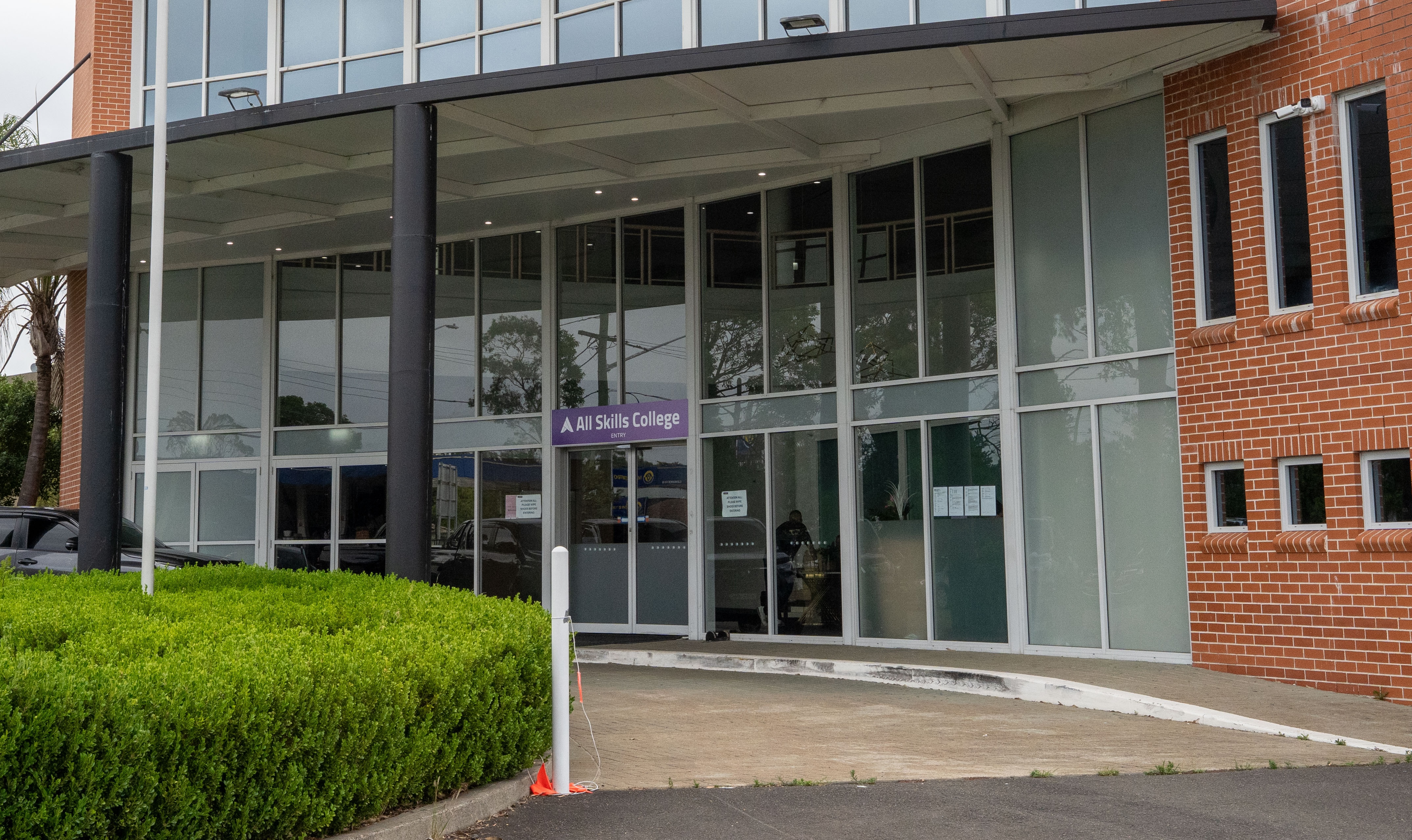

Training Delivered with Clarity, Structure, and Integrity
At All Skills College, our focus is simple: help students learn properly, practise confidently, and complete assessment activities in a way that aligns with unit requirements and workplace expectations.
Student-first support
Clear guidance on what’s required and how to progress.
Practical learning focus
Training environments designed to support hands-on competency.
Assessment clarity
Structured steps so you can prepare evidence confidently.
Our purpose
Why All Skills College Exists
All Skills College was established in response to real gaps in vocational education — gaps that impact students long before assessment even begins.
What wasn’t working
Too often, students were entering training programs without clear explanations of what was required, how assessment actually worked, or how to prepare evidence properly. Learning felt rushed, confusing, or disconnected from real workplace expectations.
In many cases, students only discovered these gaps late in their training — when time, confidence, and momentum were already affected.
What we set out to fix
All Skills College was designed to bring structure, clarity, and practical alignment back into vocational training. From the beginning, our focus has been on helping students understand expectations early and progress with confidence.
Training delivery, practical activities, and assessment preparation are approached as connected steps — not isolated tasks — so students always know where they are and what comes next.
What we don’t compromise on
We don’t shortcut assessment standards, oversimplify evidence requirements, or make promises that can’t be supported by training package rules.
Every student must be assessed fairly, consistently, and against the correct criteria — and every student deserves clear guidance on how to meet those requirements properly.
Training approach
How Training Actually Works
Before you enrol, it’s important to understand what training really involves — not marketing promises, but how learning, practice, and assessment work in reality.
Face-to-face and blended delivery
Training delivery depends on the qualification and unit requirements. Some components are delivered face-to-face, particularly where practical skills must be demonstrated in person.
Other components may be delivered through a blended format, combining guided sessions with online learning activities, while still meeting training package standards.

Practical training and simulation
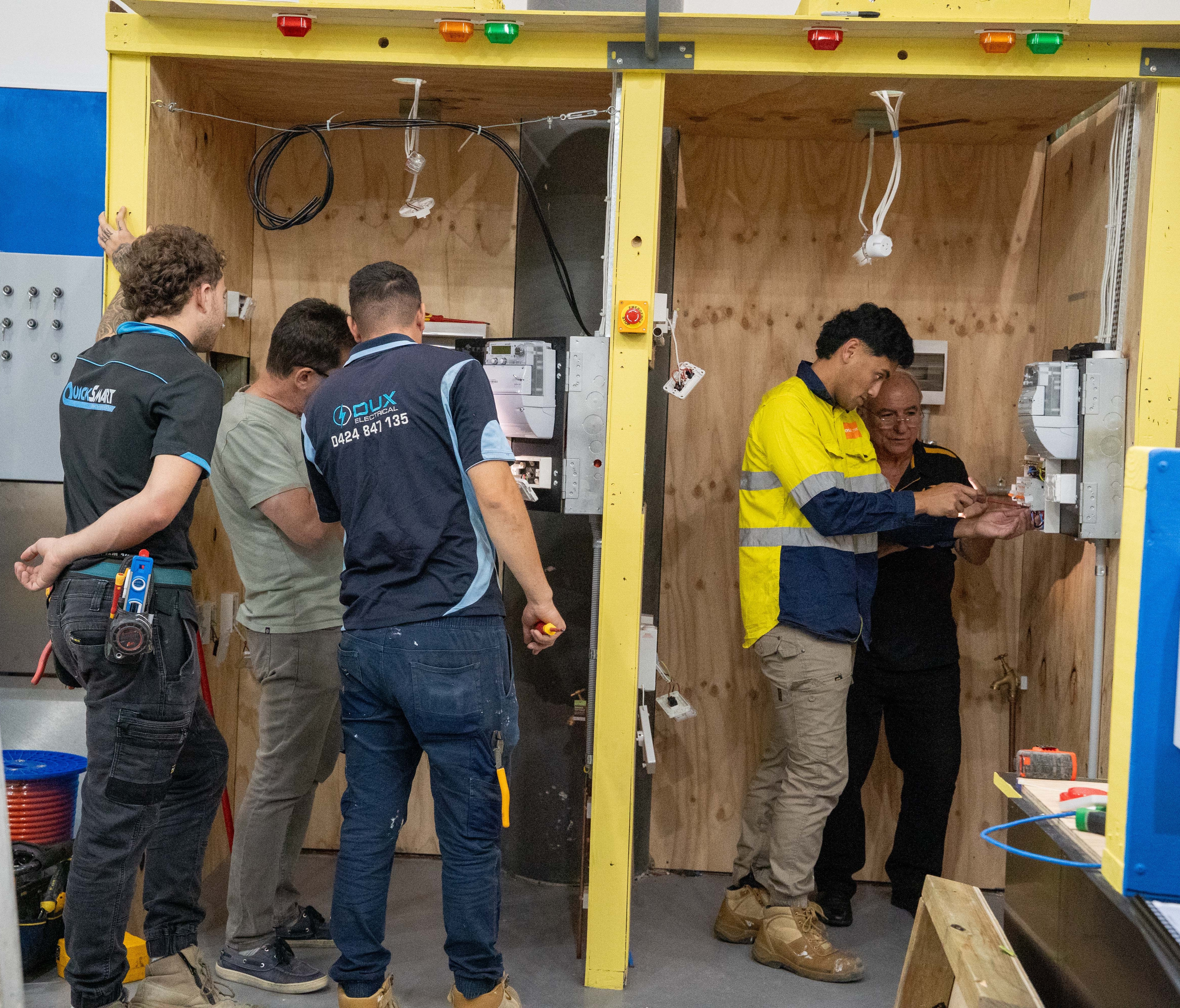
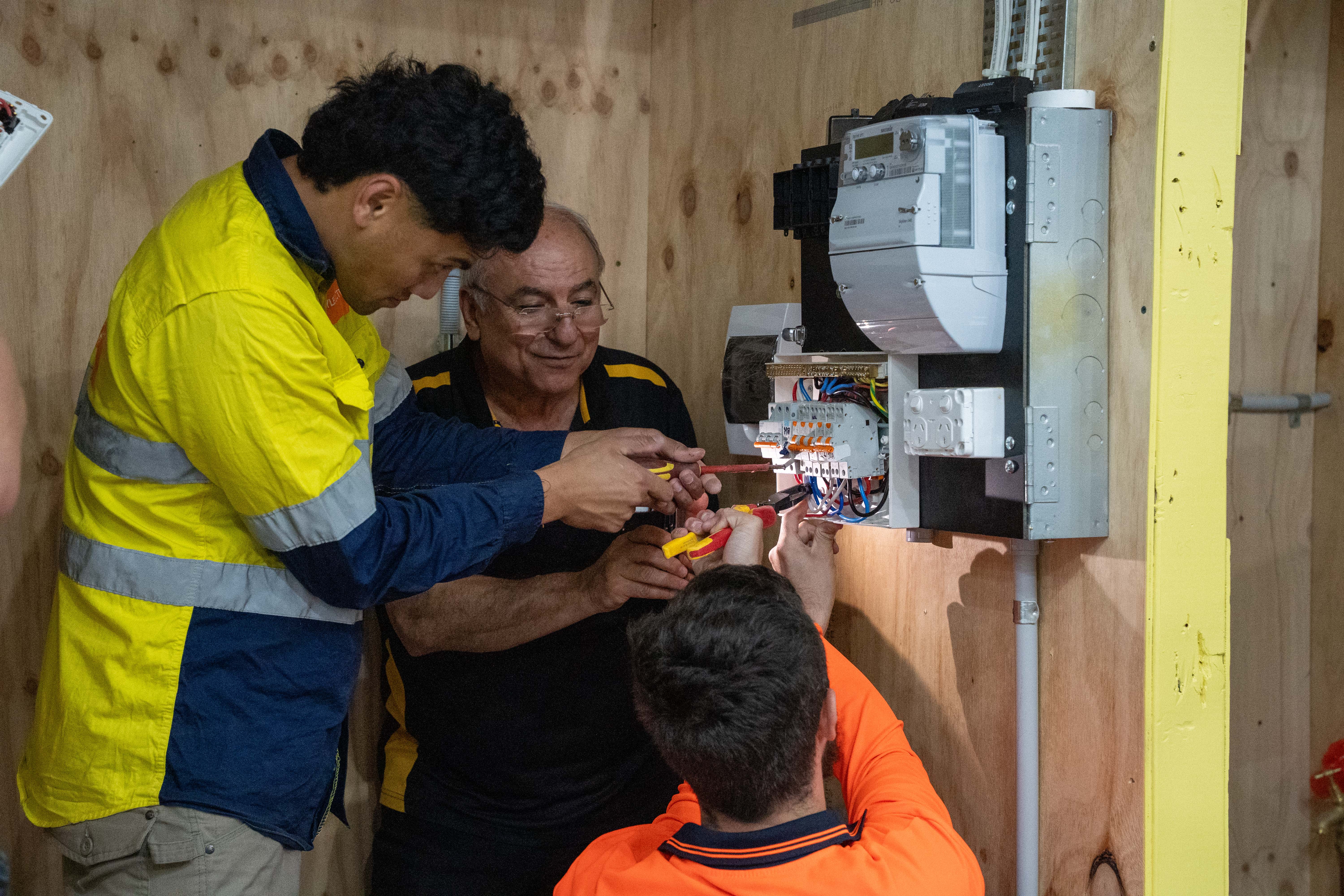
Where practical competency is required, students complete structured tasks in suitable environments designed to simulate real workplace conditions.
These sessions focus on applying skills correctly, safely, and consistently — not just observing or discussing them.
Self-paced study expectations
Like all quality vocational training, learning continues outside scheduled sessions. Students are expected to review materials, complete activities, and prepare evidence in their own time.
Expectations vary by course, but they are explained clearly so students can plan their workload realistically and avoid surprises later.

Evidence and assessment reality
Assessment decisions are based on valid, sufficient, current, and authentic evidence. This may include practical demonstrations, documents, photos or videos, and workplace reports.
Students are guided on what evidence is required and how it maps to unit outcomes, but competency must be demonstrated against the standard.
Clarity & assurance
Clear Training. Clear Assessment. Clear Certification.
We believe students should fully understand how training, assessment, and certification work — without assumptions, fine print, or unclear responsibility.
Training delivery
All Skills College delivers structured training and learning support aligned to unit requirements, focusing on practical environments, guided sessions, and clear expectations.
Assessment oversight
Assessment is conducted under formal third-party arrangements with approved Registered Training Organisations (RTOs), ensuring decisions are made against national standards.
Qualification issuance
Qualifications and Statements of Attainment are issued by the partner RTO responsible for certification, validation, and regulatory compliance.
People behind the training
Trainers & Assessors
Our training is delivered by experienced educators who understand workplace expectations and what competency looks like in practice.
Fayez Mohammed
9+ years experience

Support that keeps you moving forward
Training is structured. Assessment is evidence-based. And when students hit a wall, support is practical, fair, and consistent.
Student experience
Clear channels, no confusion
You know where to go for training, assessment, and general enquiries.
What this means
Questions are routed to the right person, with consistent guidance throughout your course.
Reasonable response timeframes
Submissions and enquiries are handled within communicated timeframes.
What this means
If something needs more time, it’s communicated clearly — students aren’t left guessing.
If you struggle, you’re supported
We guide you on expectations and next steps — without shortcuts.
What this means
Support focuses on clarity, feedback, and readiness — while keeping assessment integrity intact.
Extensions and follow-ups are fair
Decisions are structured and consistent, not random.
What this means
Follow-ups and adjustments (when appropriate) happen through a documented, fair process.
BLOG
Stories You Might Find Useful
Read about real people, their journeys, and lessons learned along the way. These stories will guide and inspire you as you take the next step in your own career.
Read Our BlogBuilding & Construction
Carpentry as a Career in Australia: Skills, Qualifications, and Opportunities
Business & Leadership
How to Get an Electrical Licence and Become an Electrician in Australia: A Step-by-Step Guide
Business & Leadership